
About
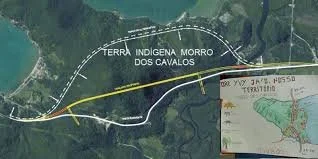
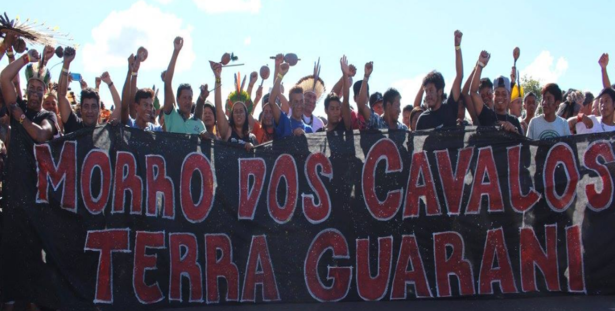
Guarani People
The Guarani people live in the Morro dos Cavalos Indigenous Land, located along the BR 101 highway in the state of Santa Catarina, in the municipality of Palhoça, near the coast.
Approximately 600 Indigenous people live in this area.
The Guarani were among the first Indigenous peoples to be contacted after the arrival of Europeans in South America around 500 years ago, an event that completely altered their way of life. There are records of the Portuguese traveling along the coast of Santa Cruz, passing through Santa Catarina in 1515, where they encountered the Guarani, whom they called “Carijós.” The Guarani began fleeing in search of safer places.
This ethnic group occupied vast territories, stretching from what is now Mato Grosso to Lagoa dos Patos in Rio Grande do Sul, with their central territory located in what is now Paraguay.
The invasion of Guarani lands in Santa Catarina took longer and only became more systematic starting in 1650, beginning in São Francisco do Sul and later in the region of Desterro (now Florianópolis) and surrounding areas. Contact with Europeans drastically changed their lives, leading to expulsions and deaths.
Today, the Guarani who live along BR 101—close to the sea—face a vastly different reality.
Conflicts with coastal residents, known locally as “manézinhos,” have always been contentious. To this day, the Guarani await the final resolution of the demarcation of their lands, which involves the homologation of 1,988 hectares recognized as traditional occupation under the Federal Constitution.
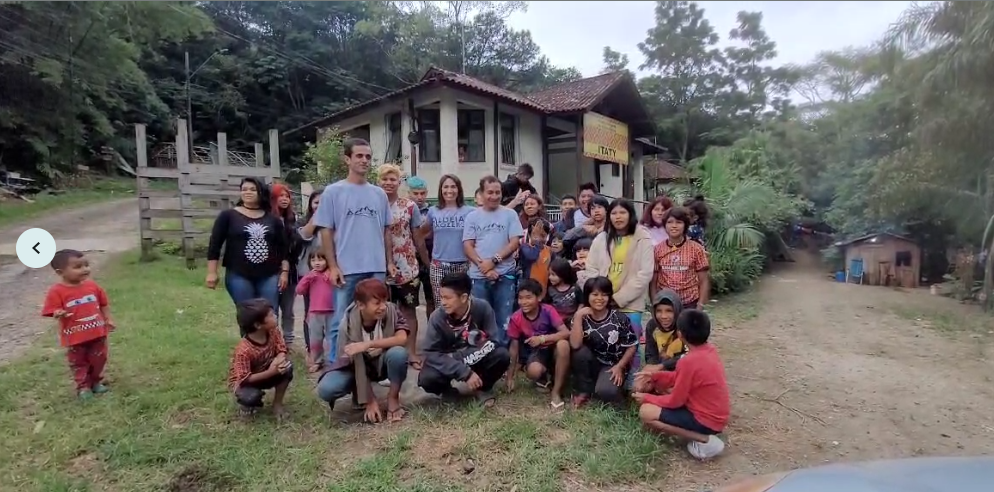
In May 2024, we initiated the “Zero-Waste Community” project in the Ytati Village at Morro dos Cavalos. A socio-environmental and socio-cultural survey was conducted within the community to map out their primary activities, main foods, and cultural practices. Meetings were also held with teachers to understand how waste management was addressed in the community, whether any type of collection existed, and how it was carried out. Since they live along BR 101, there is waste collection in the area, but no system for separating and recycling recyclable materials.
During this visit, it was observed that there was a significant amount of waste scattered throughout the village and school, particularly discarded clothing near the post office. The “Zero-Waste Community” project was presented to the school director, João Batista Gonçalves, and subsequently to Chief Teófilo Gonçalves, who approved the project after seeing its results and videos from a similar project with the Yawanawá people. A partnership was formalized, and the project started. The focus of the first phase was environmental education in collaboration with the village teachers and the school. In subsequent visits, training sessions on selective waste collection and community gardens were conducted to support nutritional education within the village.
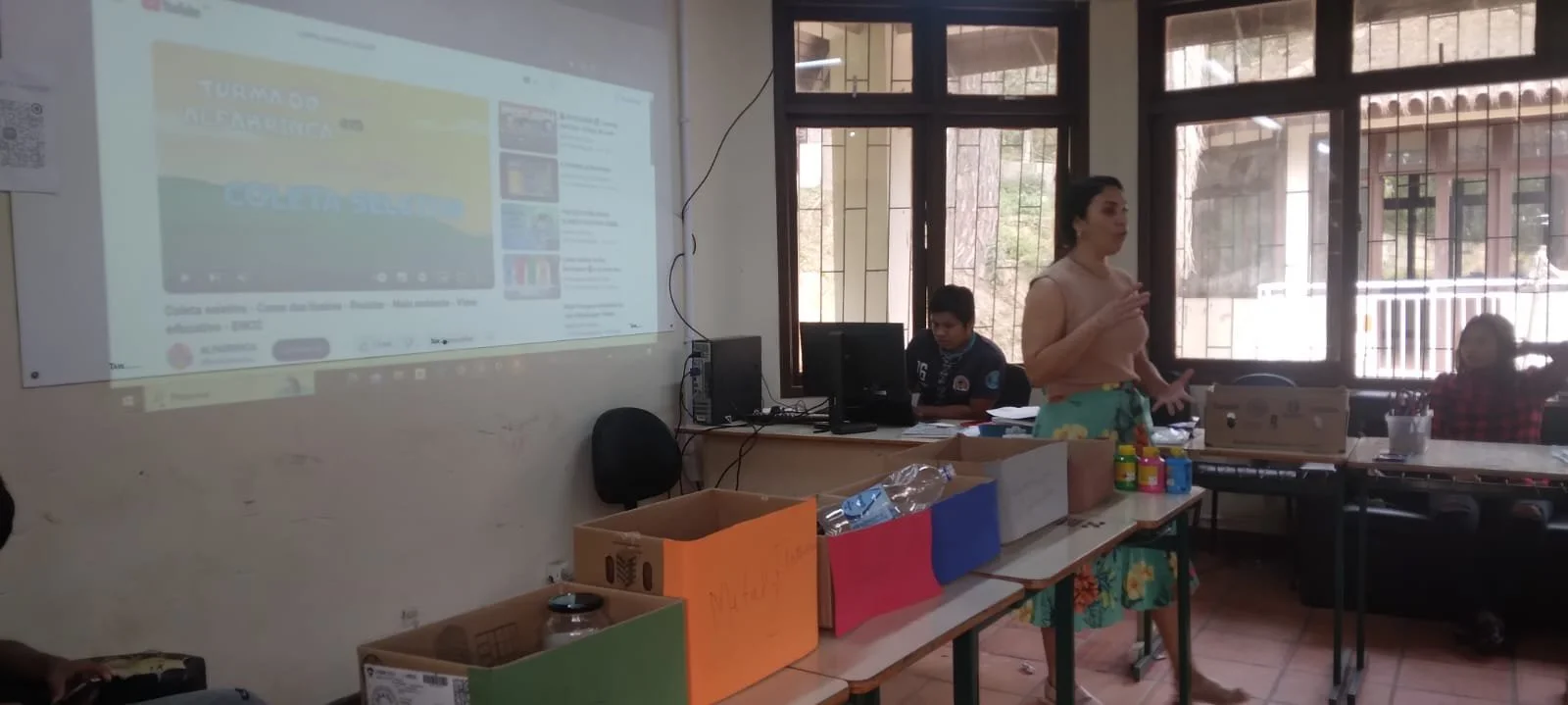
By November 2024, the following phases were completed:
Community data collection
Environmental education classes
Selective waste collection classes
Cleaning initiatives in the village and identification of primary waste sources
We still need support to implement the upcoming phases:
Establishment of community gardens
Construction of a seedling greenhouse
Engagement with the local government for recycling materials collection
Construction of a counter for recyclable materials