
Project Implementation Phases 2025/2026
Phase 1 - Assessment and Mapping
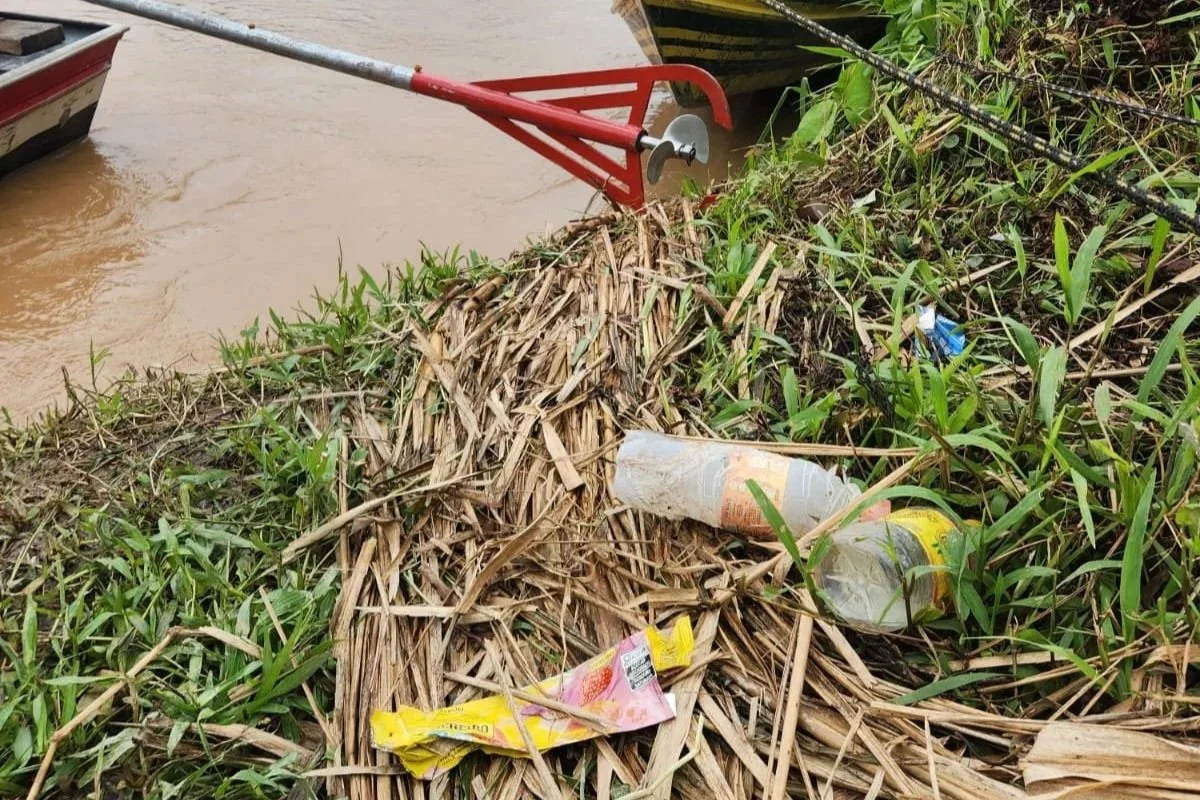
The new phase of the project begins with a comprehensive assessment in the selected villages to be revisited. The first villages included in this renewed phase are:
Yawarani
Amparo
Toniya
Mutum
During this phase, the following actions will be carried out:
Assessment of the current waste situation in each village;
Identification of key local needs and challenges;
Analysis of the most suitable solutions for each context — from waste separation and storage to recycling and composting infrastructure;
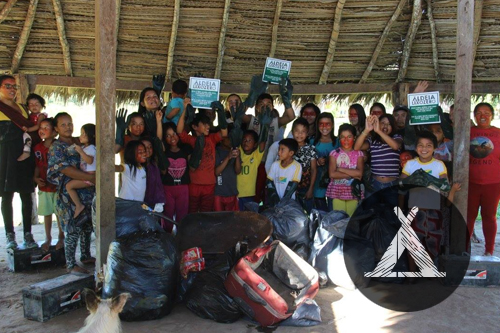
Community engagement — involving leadership, families, children, women, and educators — in awareness-raising and planning processes;
Coordination with local governments and waste cooperatives to ensure proper collection, recycling, and disposal logistics.
Phase 2 — Implementation Planning
Based on the assessment findings, a tailored implementation plan will be developed for each village, including:
Definition of waste management systems and infrastructure needs;
Planning of community waste-sorting stations, composting systems, and recycling points;
Design of training and environmental education strategies;
Definition of logistics for waste transport to treatment centers when necessary;
Institutional articulation with cooperatives and public authorities to ensure long-term operational support.

Phase 3 — Action and Infrastructure Implementation
This phase focuses on putting the plan into action through:
Installation of community waste-sorting stations;
Implementation of composting systems;
Activation of collection and recycling points;
Delivery of community training and continuous environmental education;
Operation of waste transport logistics;
Engagement of local cooperatives and institutional partners to support implementation.

Phase 4 — Consolidation, Autonomy, and Sustainability
The final phase aims to strengthen long-term impact by:
Monitoring and evaluating implemented actions;
Strengthening community autonomy to manage their own waste systems;
Assessing operational costs and system efficiency;
Building lasting partnerships to ensure continuity and sustainable growth of the project.