
Implementation Phases
Each Aldeia Lixo Zero project is implemented through four interconnected phases. The process is adapted to the realities, priorities, and knowledge of each participating Indigenous village or traditional community and developed through active community participation.
Phase 1 - Assessment and Participatory Mapping
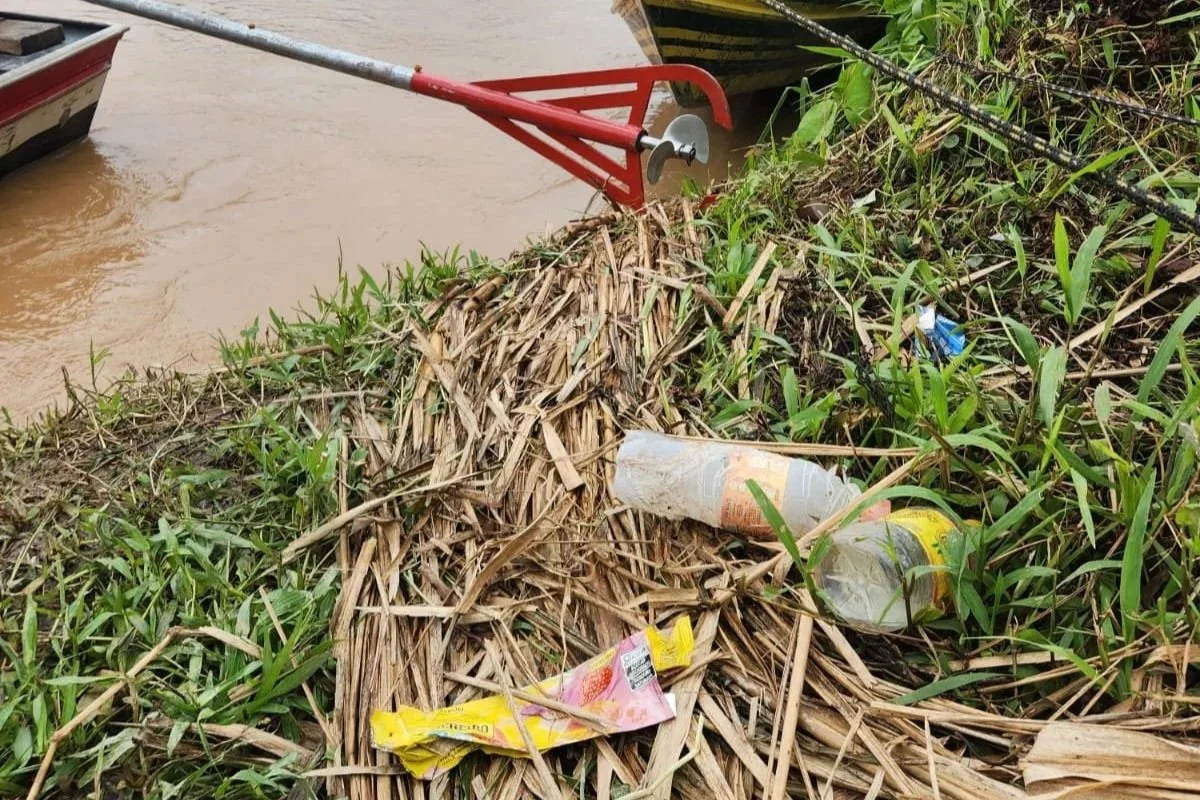
Every project begins with a comprehensive assessment and participatory mapping process in the selected communities. During this phase, the following actions are carried out:
Assessment of the current waste situation, including existing disposal, burning, separation, recycling, and composting practices;
Identification of key local needs, priorities, and challenges;
Mapping of existing community initiatives, knowledge, and resources;
Analysis of the most appropriate solutions for each context, from waste separation and storage to recycling and composting infrastructure;
Engagement of community leaders, families, children, women, young people, and educators in awareness-raising, decision-making, and planning;
Coordination with local and state governments, waste-management services, and recycling cooperatives to assess collection, transportation, recycling, and appropriate disposal options.
Phase 2 — Collaborative Implementation Planning
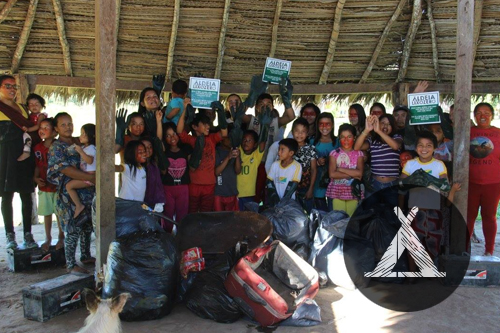
Based on the assessment findings, a tailored implementation plan is developed collaboratively with each participating community. This phase includes:
Definition of appropriate waste-management systems and infrastructure requirements;
Planning of community waste-sorting stations, composting systems, recycling points, and other locally appropriate facilities;
Definition of community roles, responsibilities, timelines, and maintenance arrangements;
Design of training and environmental education strategies adapted to different community groups;
Planning of waste transportation to recycling or treatment facilities when necessary;
Coordination with cooperatives, municipal and state authorities, and other partners to ensure long-term operational support.

Phase 3 — Community Action and Infrastructure Implementation
This phase puts the collaboratively developed plan into practice through:
Installation of community waste-sorting stations and recycling points;
Implementation of composting systems;
Provision of containers, equipment, educational materials, and signage;
Organisation of community clean-ups and the safe removal of accumulated waste;
Delivery of practical training and ongoing environmental education;
Activation of collection, transportation, recycling, and appropriate disposal arrangements;
Engagement of local cooperatives, public authorities, and institutional partners in supporting implementation.

Phase 4 — Consolidation, Community Autonomy, and Sustainability
The final phase focuses on consolidating the systems introduced and ensuring their long-term continuity by:
Monitoring and evaluating the actions and infrastructure implemented;
Identifying challenges and making adjustments based on community feedback;
Strengthening community autonomy to manage and maintain local waste systems;
Assessing operational costs, infrastructure needs, and system efficiency;
Strengthening local governance and defining long-term responsibilities;
Building lasting partnerships with cooperatives, public authorities, and other organisations;
Documenting lessons learned to support the continuity, adaptation, and responsible expansion of the project.