
Rio Gregório Indigenous Territory
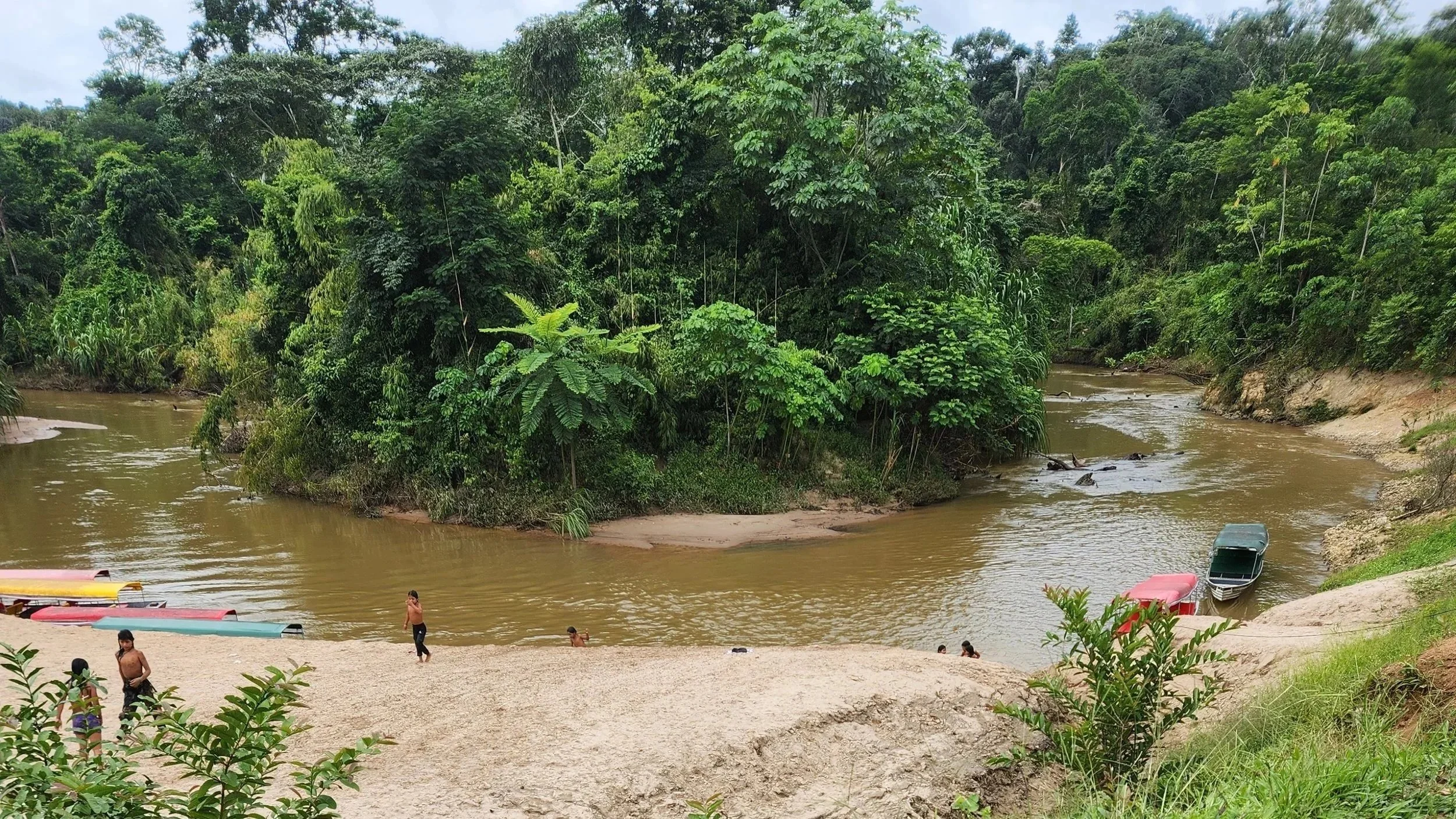
The Rio Gregório Indigenous Territory is located in the state of Acre, in the Brazilian Amazon. Covering approximately 187,000 hectares of forest, it is home to the Yawanawá and Noke Ko’ĩ Pano peoples. The Gregório River runs through the territory and is central to community life, providing water, food, and transportation. The territory is a living homeland of ancestral knowledge and culture, as well as an important area for protecting forests and biodiversity.
In 2025, with support from a collaborator linked to the Projeto Terra do Sol (in Portugal), Aldeia Lixo Zero started to be implemented with the Noke Ko’ĩ people, gaining renewed momentum and international recognition for the urgency of the cause.
Recognizing that traditional disposal methods — such as burying or burning waste — are no longer viable or safe given the volume and types of waste generated, communities have sought sustainable alternatives. Buried waste contaminates soil, while burning pollutes air and poses fire risks, compromising health and environmental balance.
Today, with the support of volunteers, the Indigenous participants, and institutional partners — including Kama Collective — the project has resumed activities with phase-based planning to ensure sustainability, autonomy, and lasting impact.
Noke Ko’ĩ People
The Noke Ko’ĩ, often referred to externally as Katukina Pano, are an Indigenous people of the Pano linguistic family who live in the state of Acre, including communities within the Rio Gregório Indigenous Territory. Their preferred name, Noke Ko’ĩ, means “true people” and expresses their distinct identity and deep relationship with their territory, language, culture, and the forest.
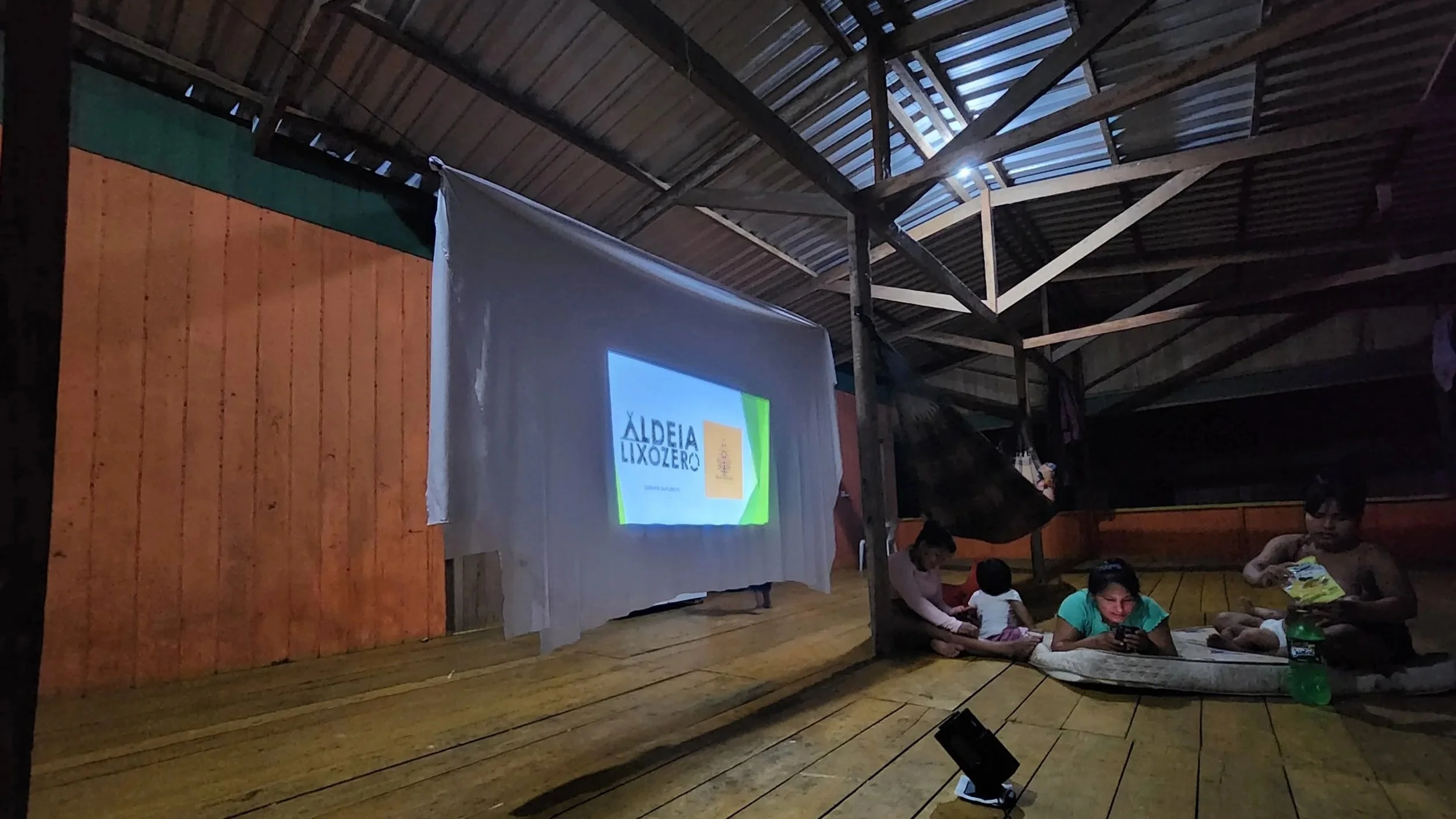
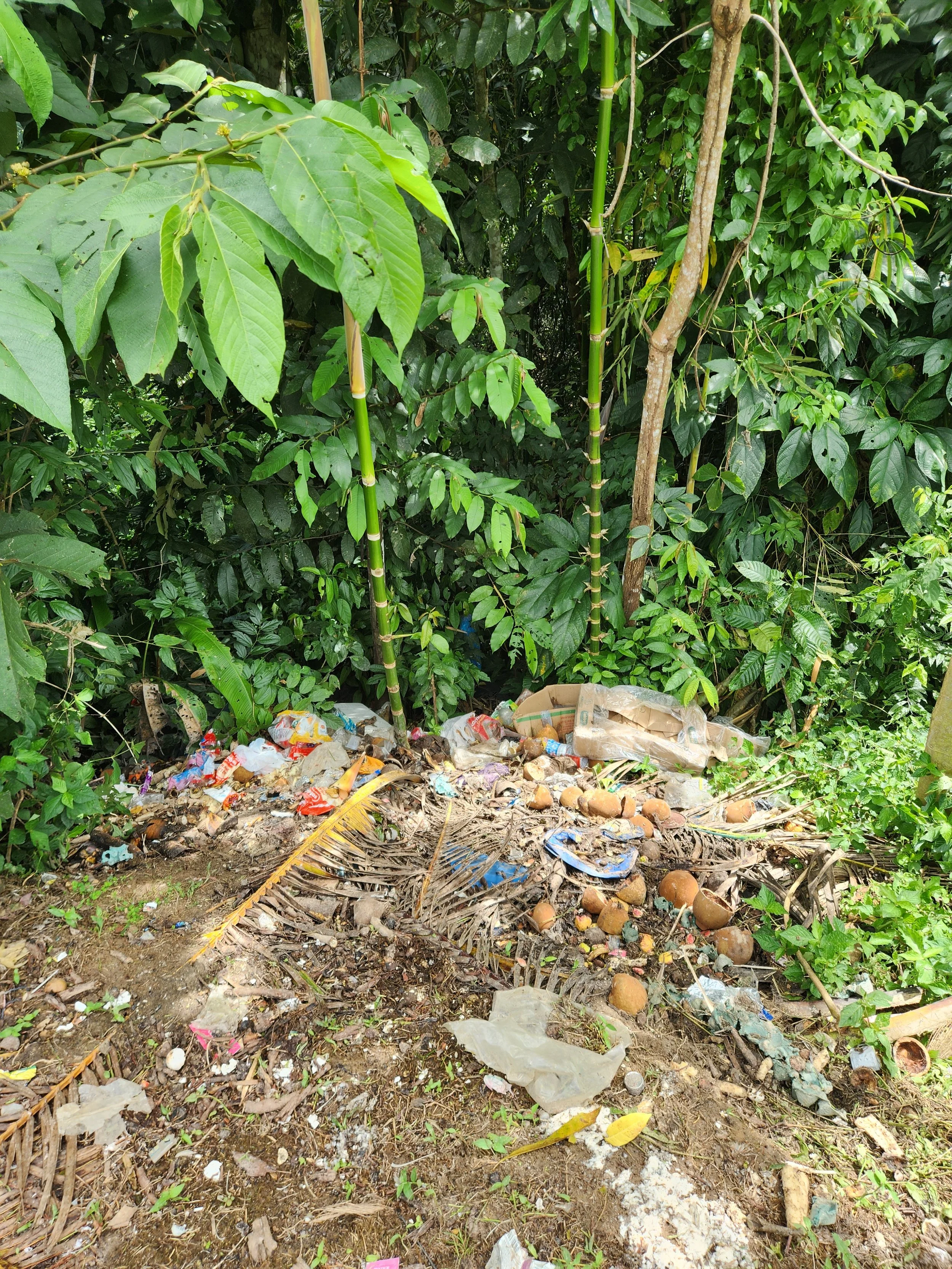
During a field visit to Toniya Village in January 2026, our team observed that the central area was kept clean through the collective efforts of community members. However, some waste was still being discarded around the outskirts of the village and in the forest, highlighting the need to strengthen locally appropriate alternatives for waste treatment and disposal. The visit also included an awareness-raising session combining a presentation with community dialogue. Local leaders actively participated in reflecting on the challenges and helping identify possible paths towards more sustainable waste management.
We still need support for:
- Purchase a motorboat to take solid waste to São Vicente
- Supply solar flashlights and reusable batteries that can be recharged throughout the day
- Give each household a set of containers for different types of waste (compost, recyclable, toxic, etc.) and offer training in how to sort them
- Set up village composting systems
- Build a recycling station in the village of São Vicente
- Replicate the project in all Yawanawá villages